


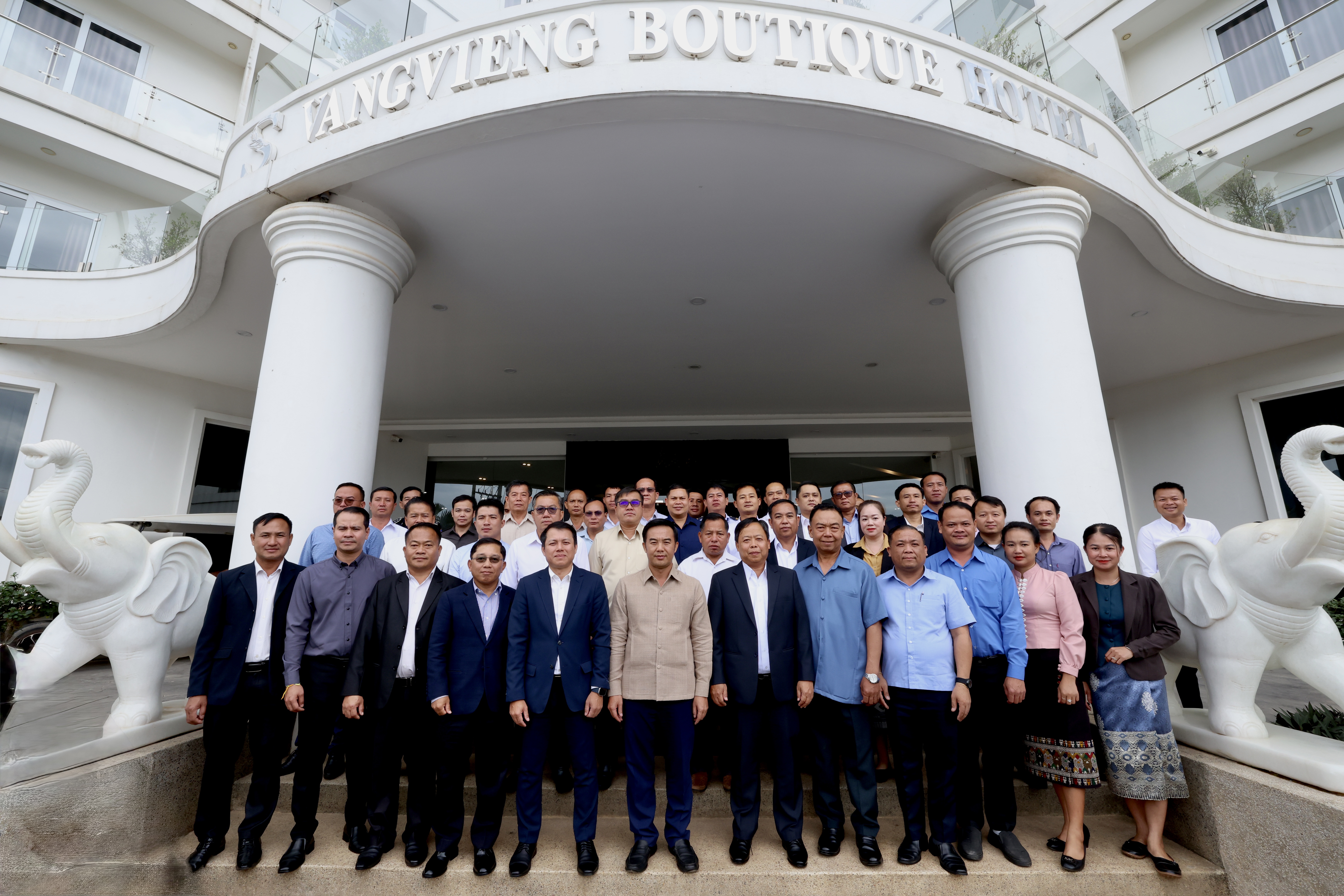
From 14 to 15 September 2026, the Department of Foreign Trade of the Ministry of Industry and Commerce, in collaboration with the Customs Department of the Ministry of Finance, co-organized a two-day training workshop on the 2026 Time Release Study (TRS) of the Lao PDR at S Boutique Hotel, Vang Vieng District, Vientiane Province, with financial support from the SEAREC Project. The workshop was the second round of training, designed for local-level officials nationwide and covering 11 international checkpoints. It followed the first round held on September 3 – 4, 2026, in Vientiane Capital, with central-level participation from the Department of Foreign Trade, the Customs Department, and TRS experts.
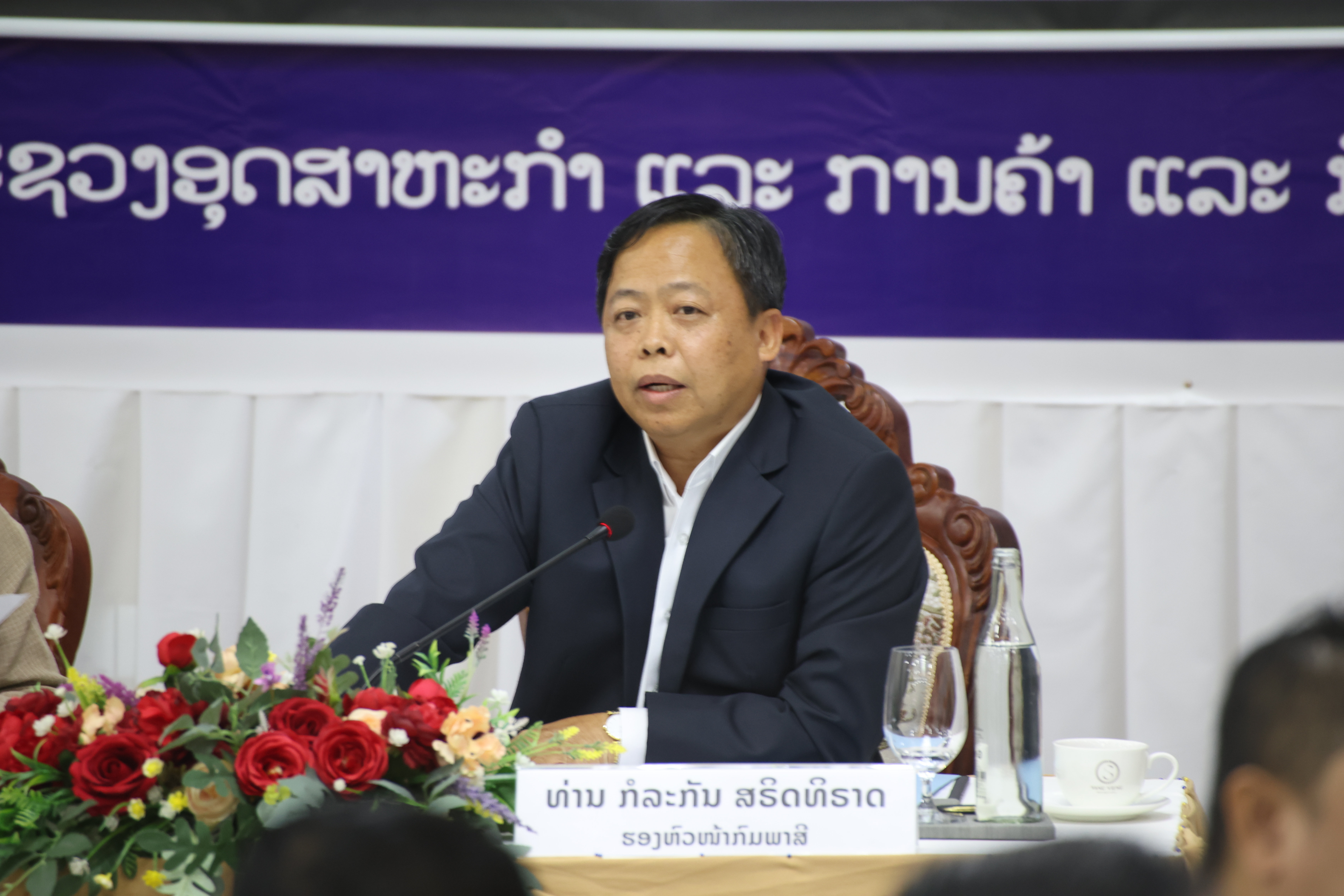
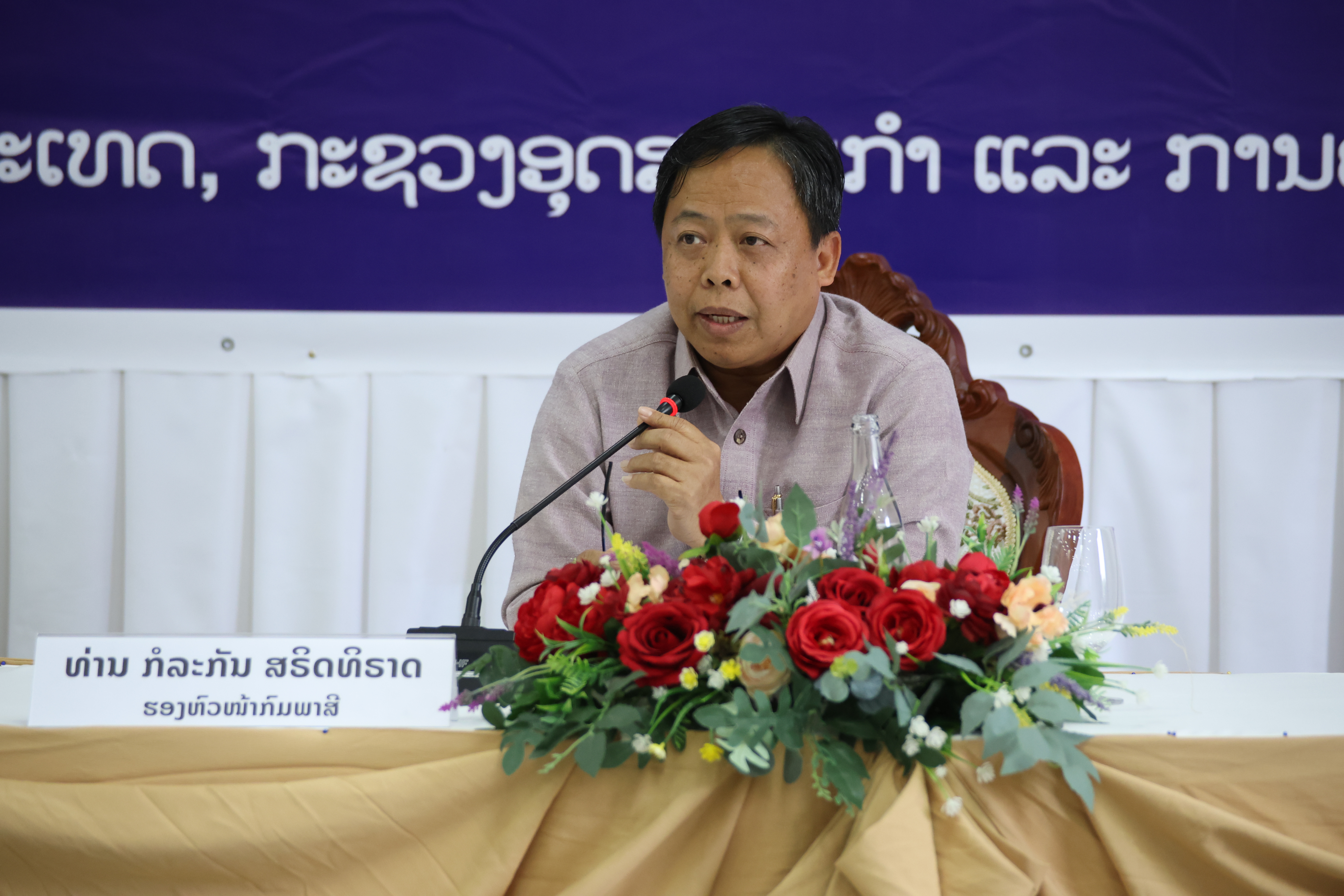
The workshop was co-chaired by Mr. Mouavixay Palee, Deputy Director General of the Department of Foreign Trade, in his capacity as Standing Member of the Secretariat Office of the Trade and Transport Facilitation Committee, and Mr. Kolakanh Sritthirath, Deputy Director General of the Customs Department. It was attended by deputy directors of provincial departments, heads and deputy heads of divisions, and technical officials representing international checkpoints and relevant local government agencies, as well as provincial customs offices, heads of checkpoint management committees, and relevant officials stationed at the 11 international checkpoints across the country.
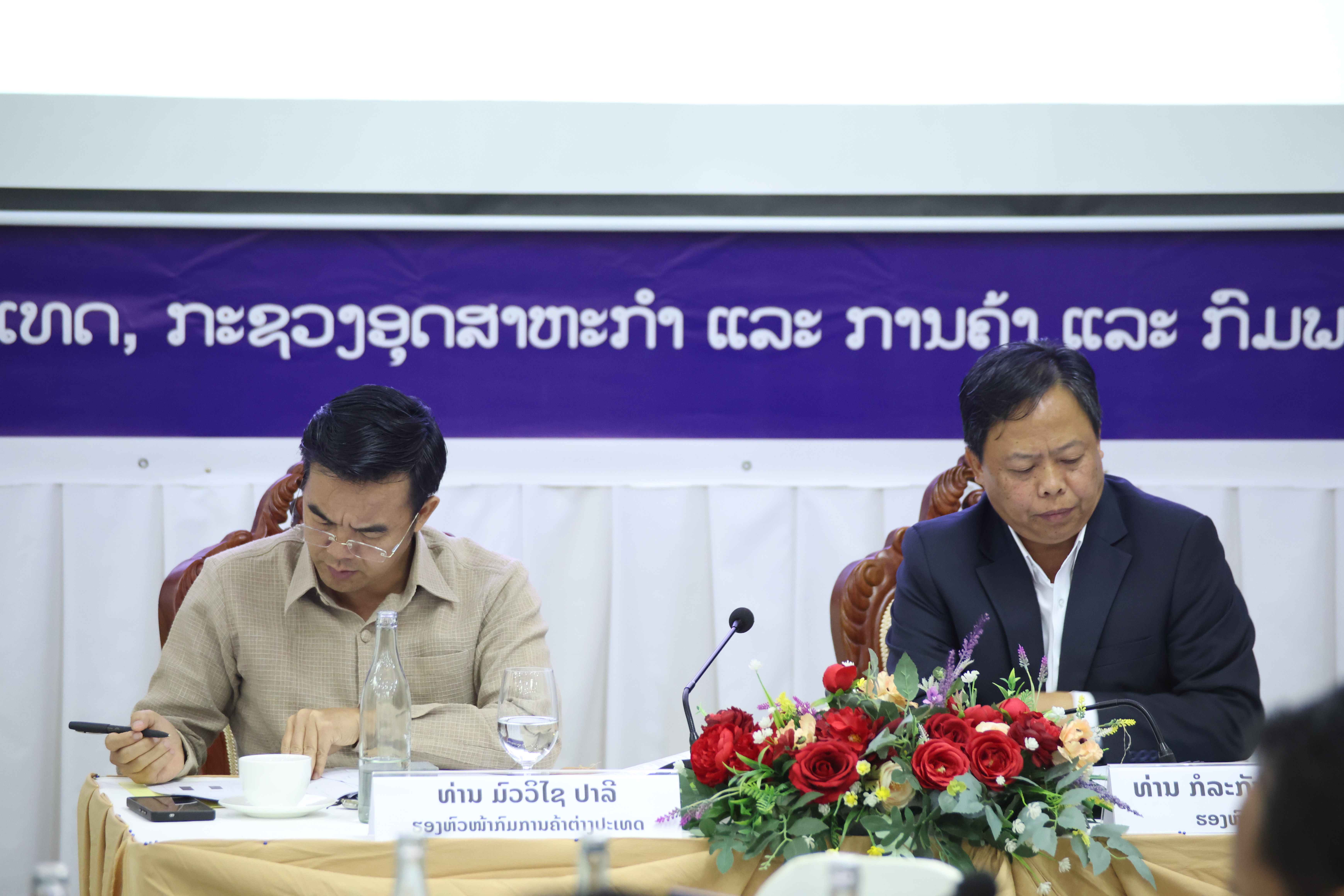
The training workshop aimed to build in-depth and comprehensive knowledge and expertise among members of the 2026 TRS Task Force, to ensure a common understanding of the scope and methodology of the study, and to ensure the quality of the procedures, the data to be analyzed, and the reliability of the report, so that participants are able to conduct the 2026 TRS effectively.
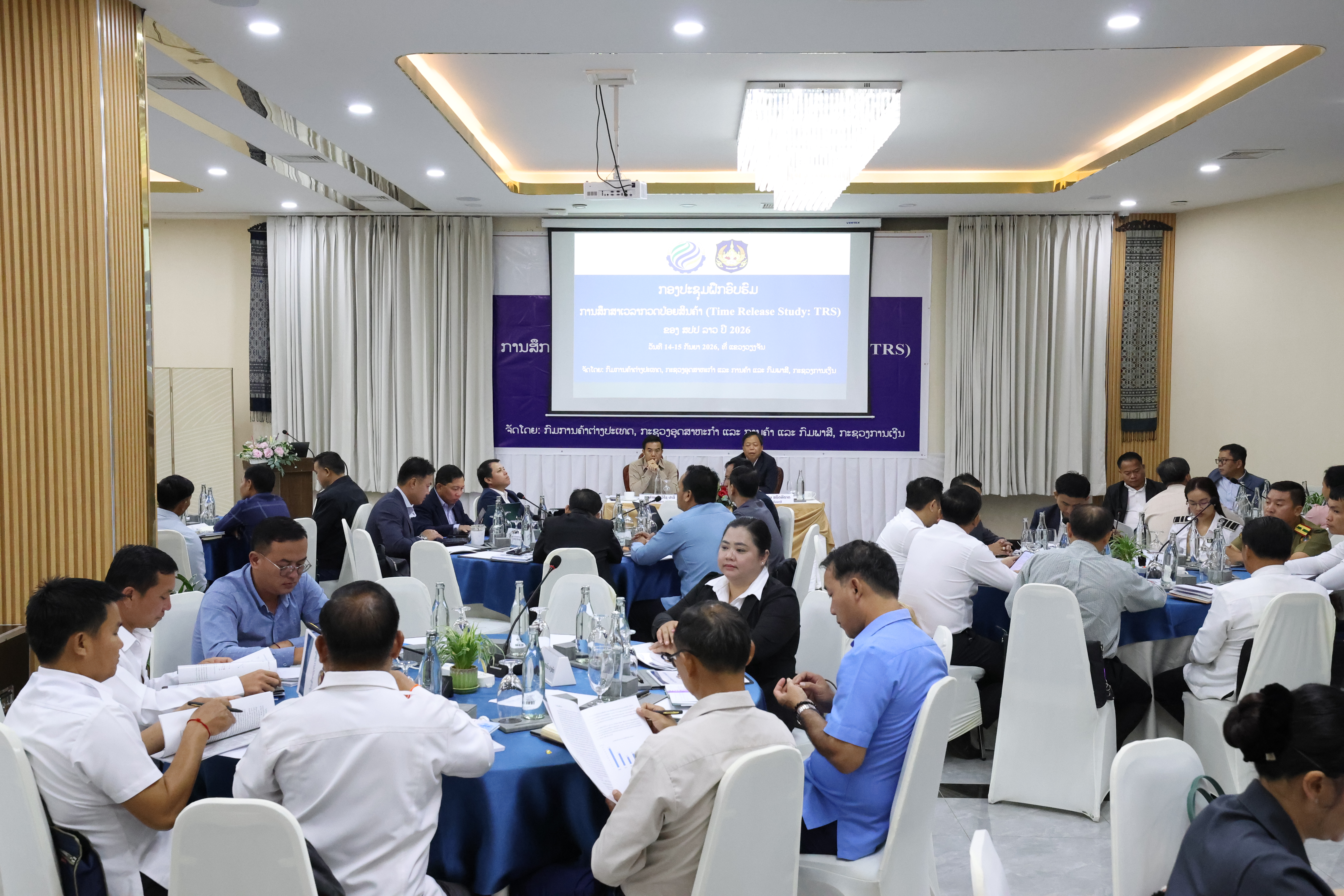
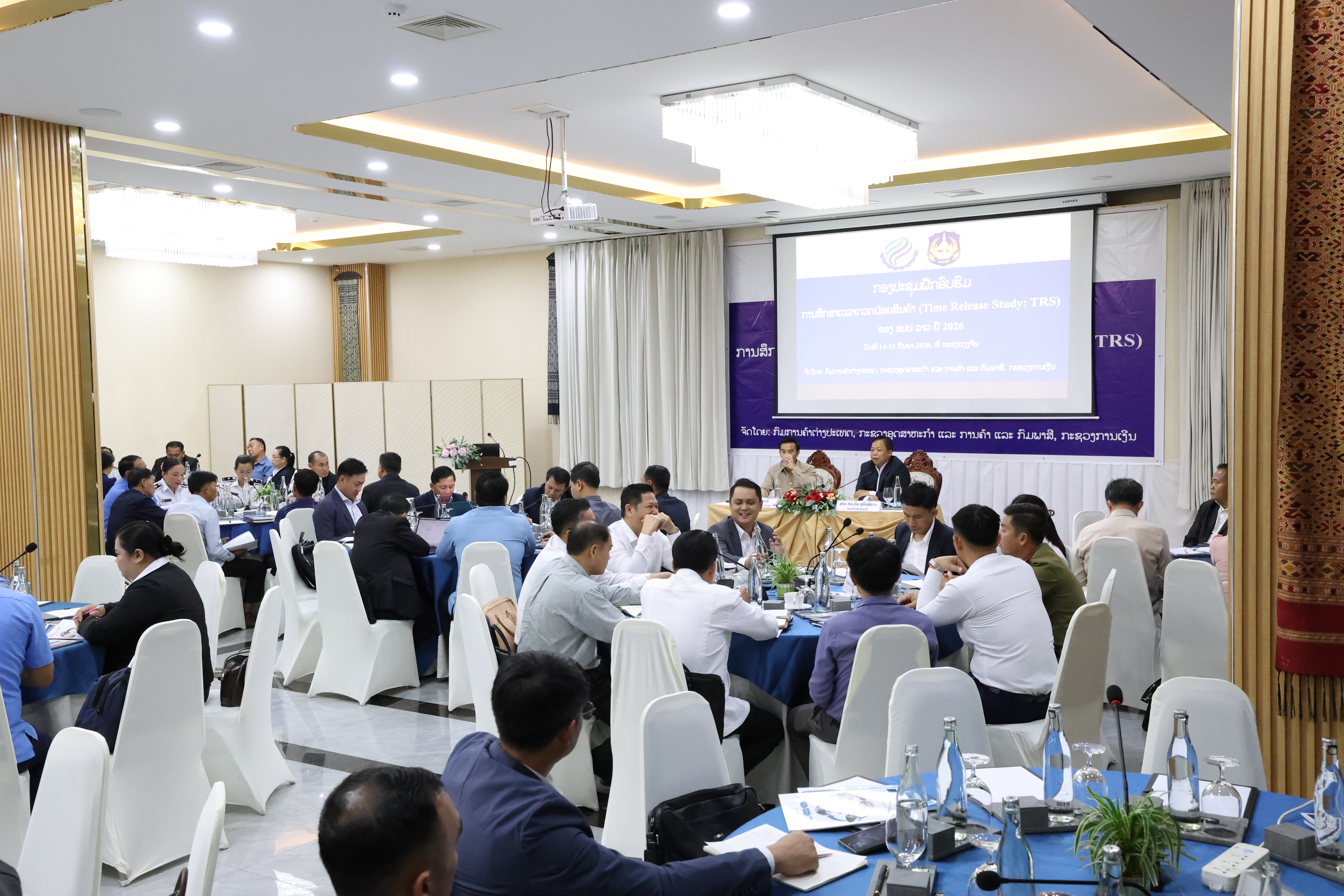
In his remarks, Mr. Mouavixay Palee highlighted that the Trade and Transport Facilitation Action Plan 2025–2030 calls for the review and improvement of legislation, regulations, and procedures for issuing permits and certificates for the import and export of goods, with a view to making them more convenient and eliminating unnecessary steps, time, and documentation, aiming to reduce the time required by at least 40–50%. The TRS serves as a key measurement tool and indicator for assessing the implementation of this work. He also reported that, according to the findings of the 2024 TRS, the average time for the release of goods at checkpoints was 3 hours and 19 minutes, a 32% decrease compared to 2022, while the average time taken by relevant line agencies to issue permits was 20 hours and 32 minutes, a decrease of 41%. In addition, of the 42 activities in the improvement plan developed in response to the recommendations of the 2024 TRS, 20 have been completed, 14 are under way, and 8 have yet to commence.
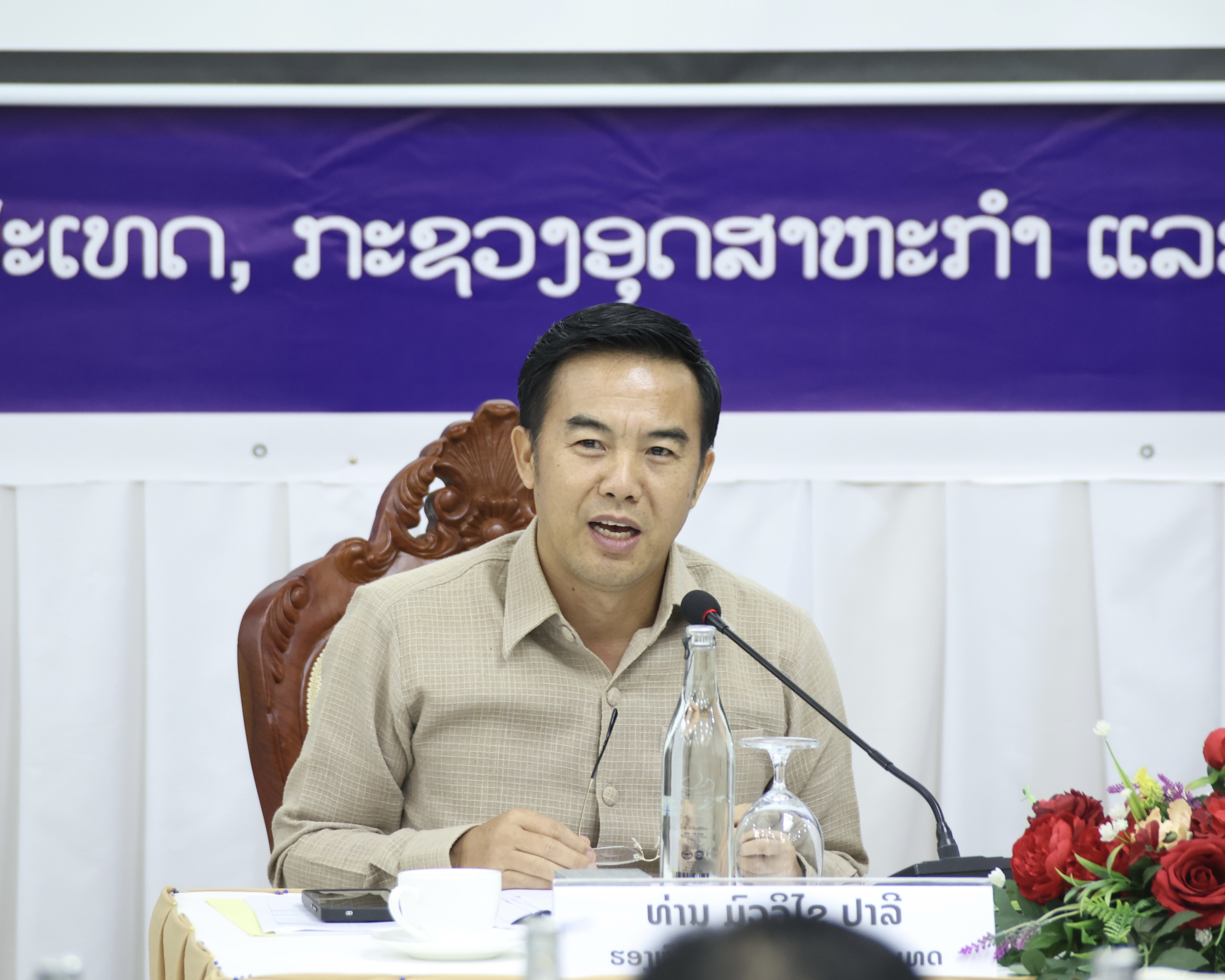
Mr. Kolakanh Sritthirath, Deputy Director General of the Customs Department, noted that the Customs Department has conducted a total of seven TRS to date. The findings have shown that the time required for customs declaration and for the release of goods from warehouses or border checkpoints has declined steadily and satisfactorily. Line agencies participating in the study, particularly the Department of Foreign Trade, the Department of Transport, the Department of Standards and Metrology, and the Food and Drug Department, have also streamlined their licensing procedures, making them faster than before. As the Lao PDR needs to boost exports and attract investment, he emphasized that relevant sectors must continue to improve their procedures and mechanisms to make them more convenient and efficient, thereby strengthening the confidence of both domestic and foreign investors in public sector systems and services.
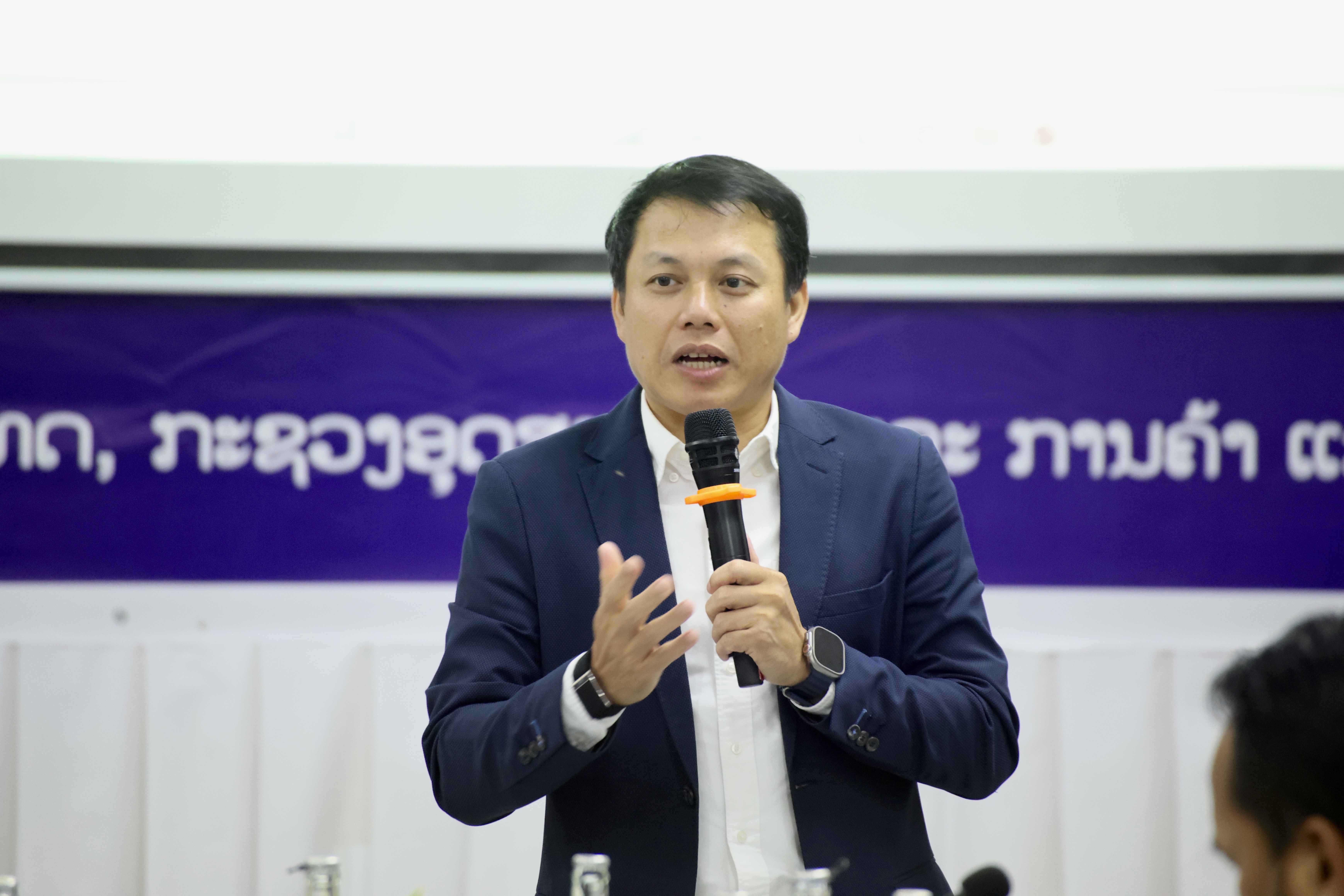
In addition to the brief remarks by the co-chairs, the main sessions of the workshop featured presentations by Mr. Sompasong Amphayphaeng, Head of the Friendship Bridge I International Customs Checkpoint, in his capacity as a TRS expert of the Lao PDR. The presentations focused primarily on preparations for the 2026 TRS, including its principles, scope, methodology, and data analysis, and outlined the four main stages of the study: preparation; survey and data collection; analysis and reporting; and monitoring and evaluation. The sessions also covered in depth the design of process maps, the design and testing of questionnaires, the determination of sample size, and the calculation of the sub-interval times TP1, TP2, and TP3 through to the total release time.
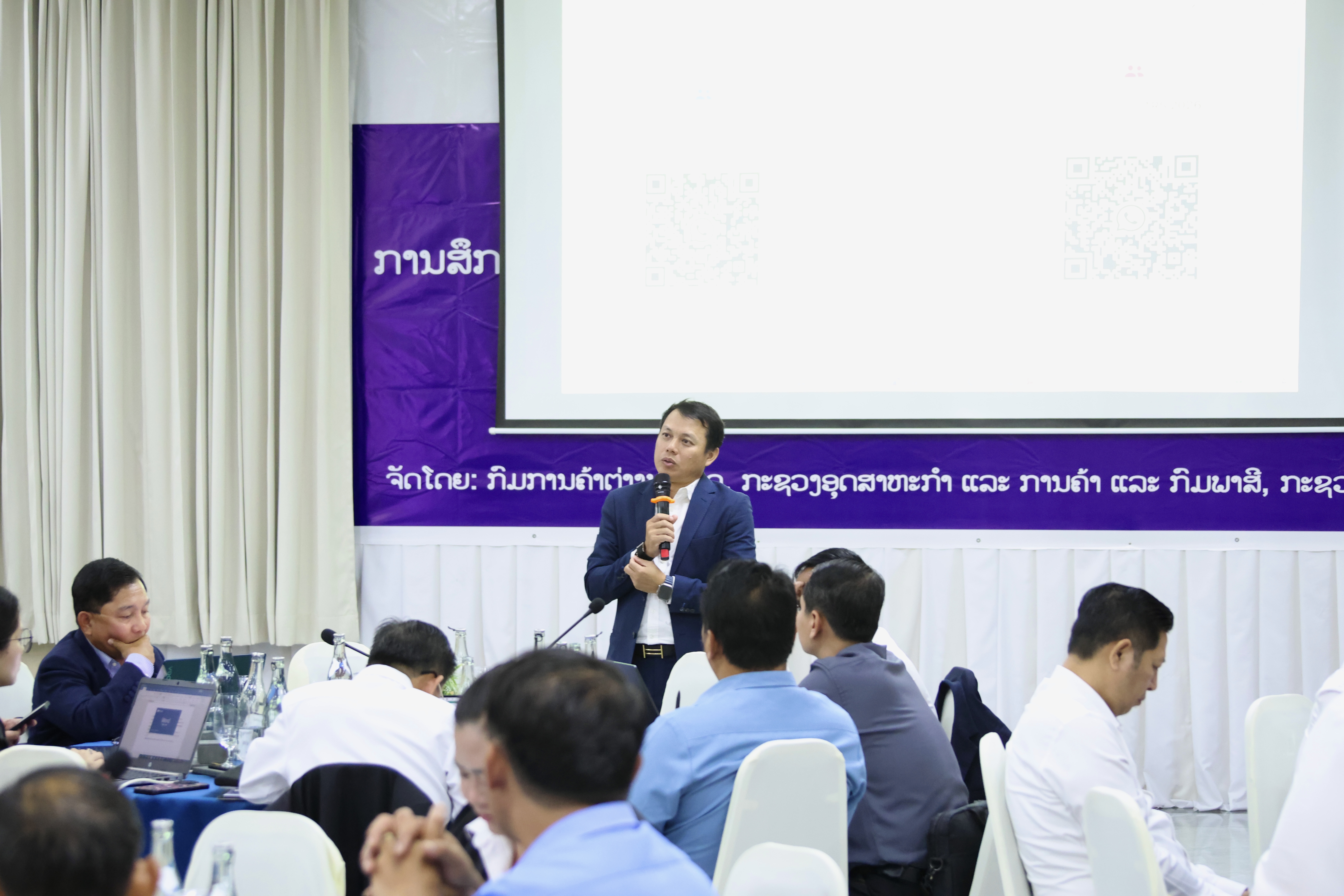
Group discussions were also held, enabling participants to share lessons learned, practice using the process maps and survey questionnaires, and provide feedback on procedures that remain bottlenecks in practice.
A new feature of this year’s study is the separate analysis of average release times for perishable goods, postal or e-commerce shipments, and goods of Authorized Economic Operators (AEOs). This will provide data for assessing the implementation of the World Trade Organization Trade Facilitation Agreement (WTO TFA). In addition, data collection will be carried out using two parallel methods: questionnaires completed by the relevant personnel stationed at each point, and the extraction of time data from existing electronic systems. This approach will help improve accuracy and reduce the burden of manual recording.
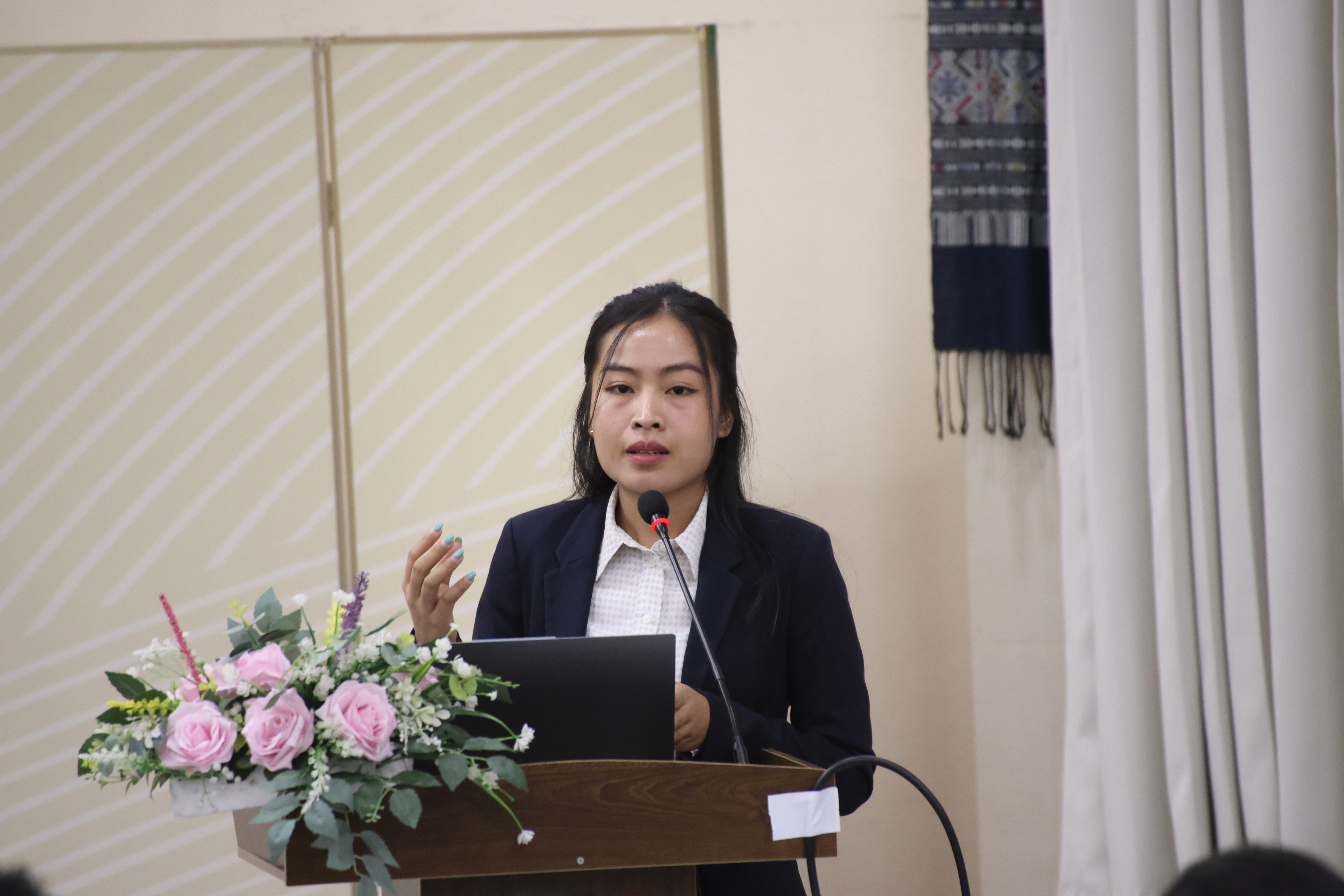
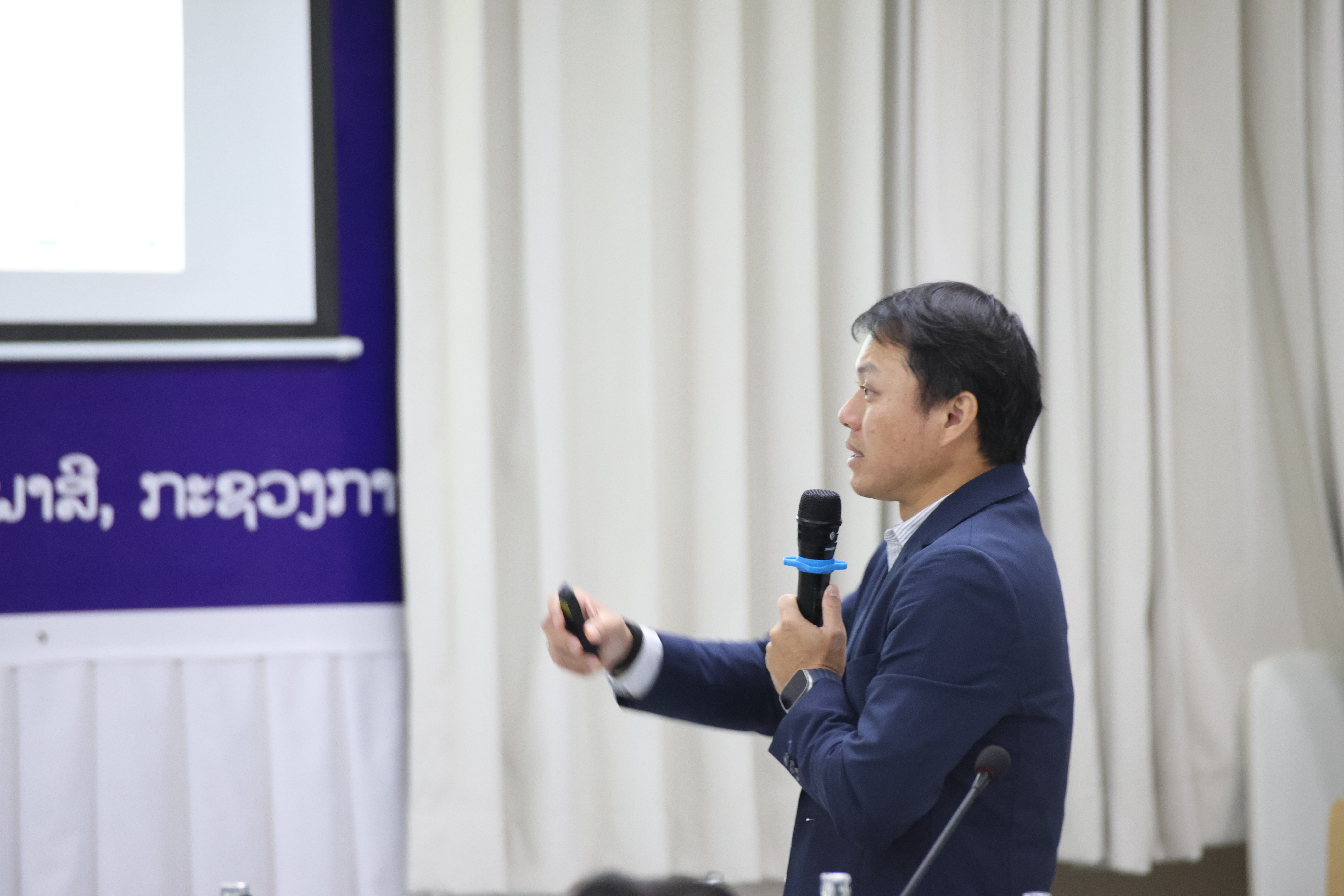
Another important milestone is that 2026 marks the first year in which TRS experts of the Lao PDR have completed the development of a Time Release Study manual, and the first year in which government officials will conduct the study themselves following the conclusion of the LCT Project, which previously provided support. This ensures the continuity and sustainability of the work.
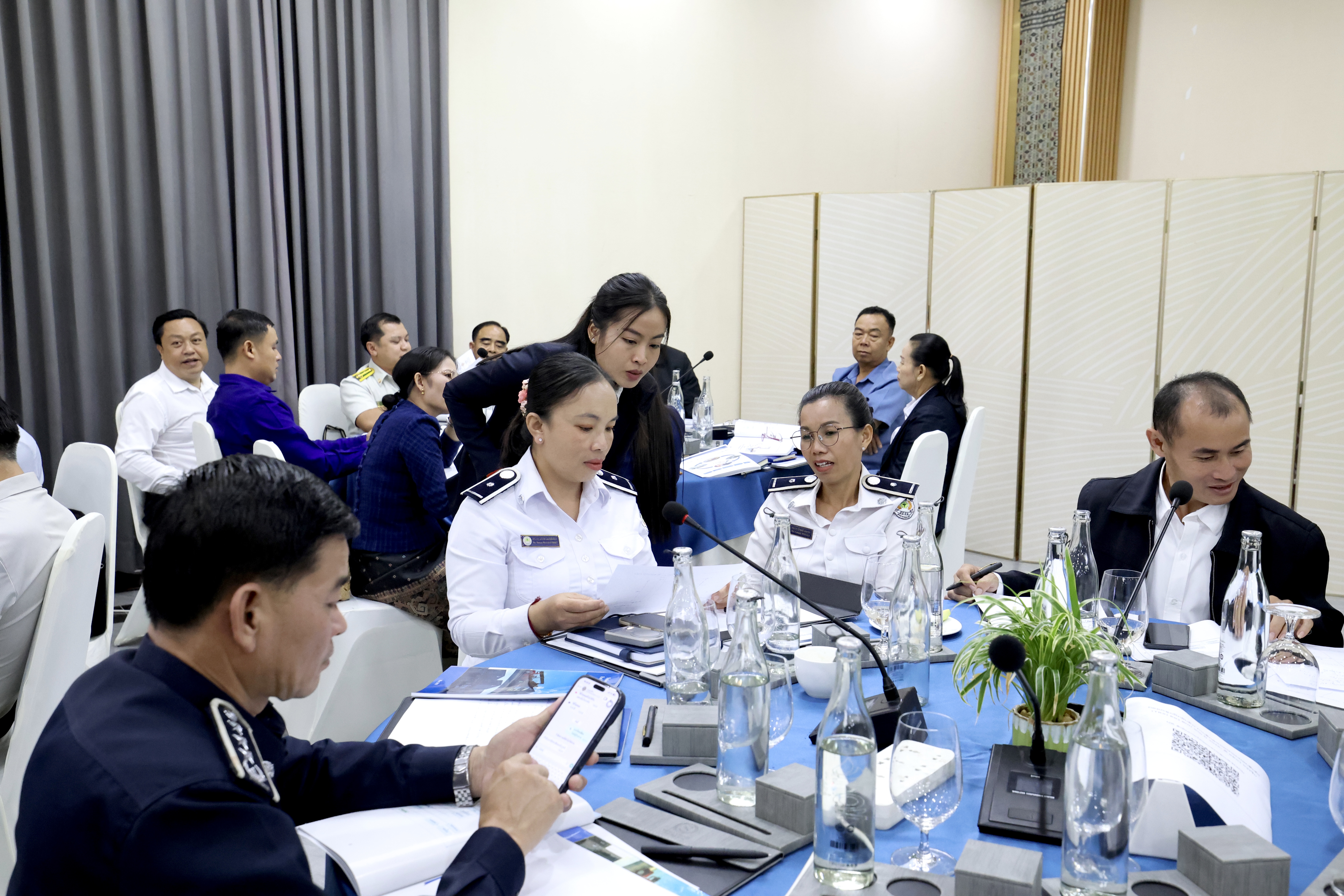
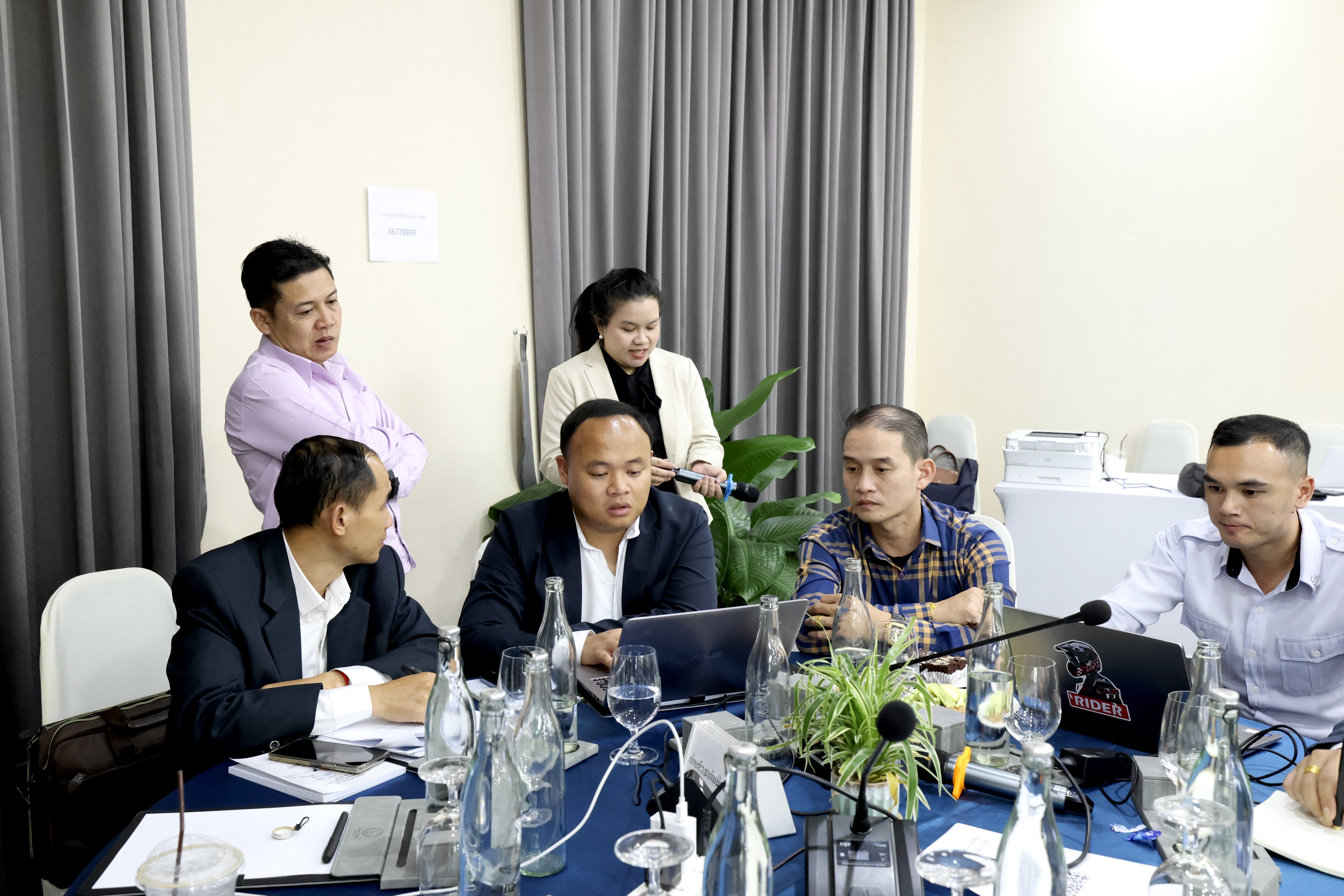
According to the plan, actual data collection will take place in the third or fourth quarter of 2026. Data will be collected at border checkpoints and international airports over a period of 7 working days, and at licensing agencies over a period of 20 working days. This will be followed by data analysis and report preparation, with the findings of the study to be reported to the leadership of the Ministry of Industry and Commerce and widely disseminated in early 2027.
In closing, the Chair highly commended the success of the workshop and expressed confidence that, having received the training, gained hands-on practice, and drawn lessons learned, participants will extend this work within their respective sectors and share it with relevant stakeholders. This will contribute to completing the time-recording questionnaires with a high level of effectiveness and accomplishing the work as planned by the end of 2026. Participants were also encouraged to contact the experts and the responsible teams of the Department of Foreign Trade and the Customs Department should any questions arise during data collection or analysis, in order to ensure that the data collected are as accurate as possible.
On this occasion, the Chair also expressed his deep appreciation to Mr. Sompasong Amphayphaeng, Head of Customs at the Friendship Bridge I International Checkpoint, in his capacity as a TRS expert, for dedicating his efforts, expertise, and valuable time to sharing his knowledge with the participants. He also thanked all participants for devoting their valuable time to attending the workshop from beginning to end and commended the responsible teams of the Department of Foreign Trade and the Customs Department for their dedicated efforts in preparing the workshop, which enabled it to achieve its intended objectives.
>>>>>
**Contact**
Trade Facilitation Division, Department of Foreign Trade, Ministry of Industry and Commerce
Tel: [+856-21 454224] / Email: [ [email protected] ]
Please share your feedback below and help us improve our content.